
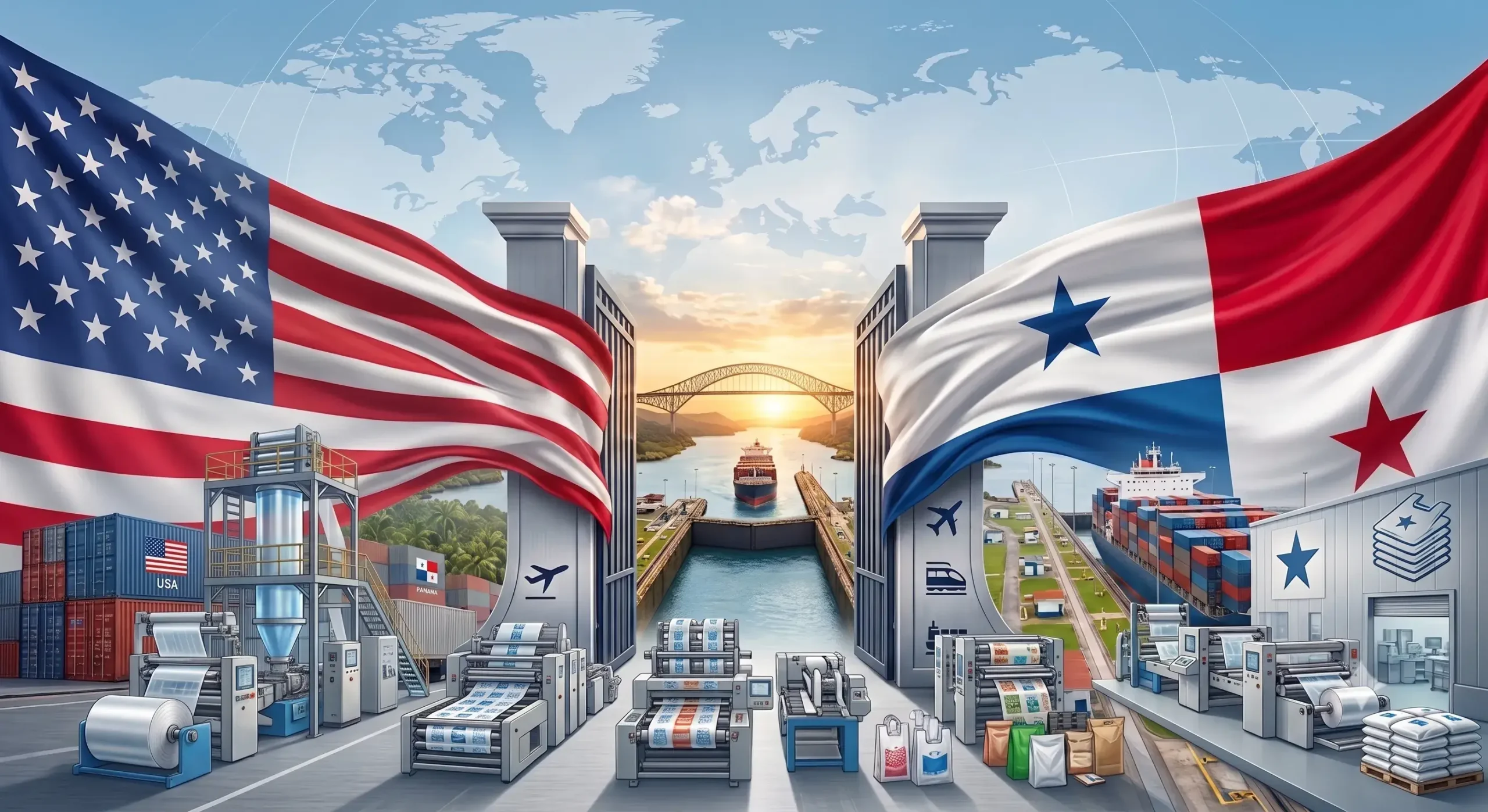
As global supply chains adjust to shifting trade policies, American importers and international logistics managers are closely tracking the Office of the United States Trade Representative’s (USTR) section 301 tariffs forced labor enforcement. The USTR has implemented new tariffs ranging from 10% to 12.5% on imports from 60 economies worldwide.
However, amidst this major shift in international trade, Panama stands out as a clear success story: it remains duty-free and completely excluded from these new section 301 duties.
Why does Panama’s tariff-free status matter for global businesses, logistics managers, and manufacturers?
1. Anchored by the U.S.–Panama Trade Promotion Agreement (TPA)
Why are Panamanian products exempt from U.S. import tariffs? Because of the U.S.–Panama Trade Promotion Agreement (TPA), which grants duty-free status to most industrial and commercial exports entering the U.S.
Because Panama maintains high labor standards and robust trade alignment with the United States, it was left off the USTR’s targeted list—providing a reliable and accessible corridor into North America.
2. A secure hub for nearshoring & logistics
With key manufacturing hubs across Asia and Latin America now facing 10% or 12.5% duty surcharges, Panama's strategic value is clearer than ever:
- Zero-tariff advantage: Are goods originating from Panama subject to U.S. tariffs? The clear answer is no. Panamanian-origin goods enter the U.S. market without the added tariff burden impacting competing global markets.
- Unbeatable speed to market: Does Panama offer competitive transit times to the United States? Yes. Located uniquely between the Atlantic and Pacific, Panama enables direct ocean freight express routes that reach major U.S. East Coast and West Coast ports in as little as 5 days.
- Unmatched connectivity: How efficient is export logistics from Panama? Highly efficient. Home to the Panama Canal, deep-water ports, and Tocumen International Airport, Panama keeps supply chains agile and moving.
3. Plasticos Generales: Your strategic packaging partner in Panama
Is there a manufacturer in Panama equipped to supply duty-free industrial packaging? Yes. Plasticos Generales is Panama’s premier packaging manufacturer, bringing over 40 years of innovation, technology, and reliability to global supply chains:
- Duty-free export alignment: Manufactured directly in Panama, products from Plasticos Generales qualify for duty-free access into the U.S. under the U.S.–Panama TPA, safeguarding your landed costs from Section 301 surcharges.
- De-risking your supply chain: By nearshoring your packaging needs to Panama with Plasticos Generales, you eliminate long ocean lead times, mitigate tariff volatility, and secure an uninterrupted line of high-performance packaging.
The bottom line
In a world of shifting trade rules and escalating tariffs, predictability, speed, and location are essential indicators for your operation.
While importers trading with section 301-targeted nations navigate rising landed costs and multi-week shipping delays, Panama offers a stable, duty-free sanctuary with fast 5-day transit to U.S. shores. By partnering with Plasticos Generales, you gain a trusted manufacturing ally equipped to elevate your brand, secure your supply chain, and maximize your tariff-free advantage.
Ready to optimize your supply chain?
Contact Us today to learn more about how Plasticos Generales can support your business with high-performance packaging solutions, competitive pricing, and duty-free export capabilities to the U.S. market
- 📧 Email us: ventas@pgenerales.com
- 📞 Call us: +507 233-2238 / +507 225-0908
- 🌐 Visit our website: www.pgenerales.com
- 📍 Location: Republic of Panama, Panama City, Juan Diaz, Llano Bonito, Calle Las MareasView on Google Maps).
Legal disclaimer: The trade and regulatory information provided in this article is for general informational purposes only and does not constitute formal legal, tax, or customs compliance advice. USTR tariff policies and import regulations are subject to government updates and specific product classifications. Readers and prospective importers should consult with a licensed customs broker or international trade attorney to verify their specific supply chain requirements.
 EN
EN  ES
ES